
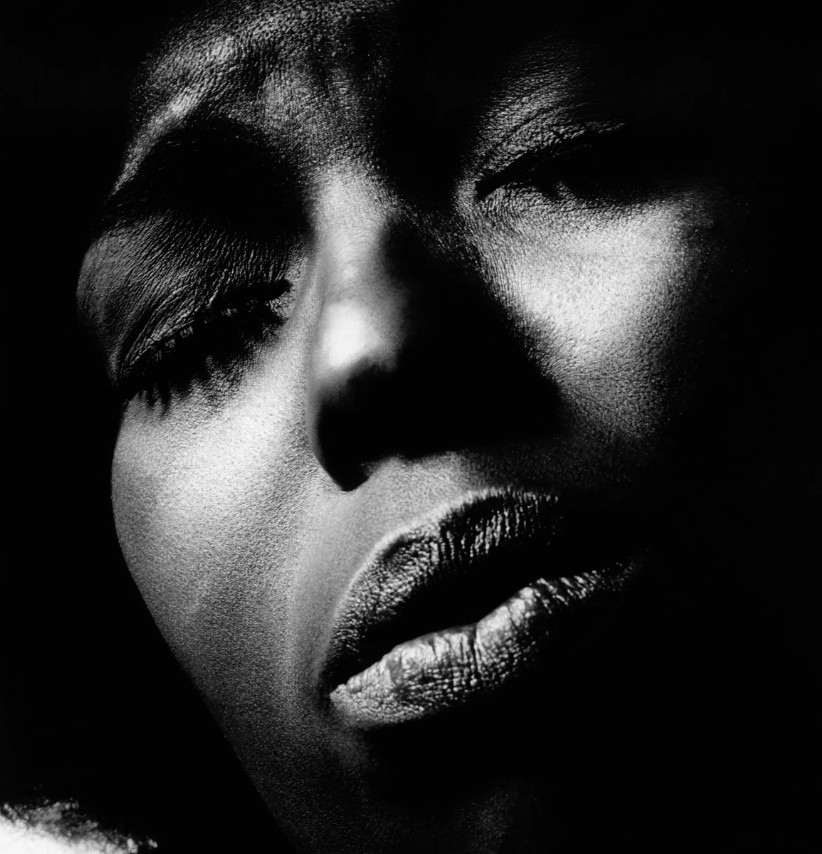
Roberta legendarily could play anything on piano and finally she played me. I knew her, heard her, but had not sat and really listened to her. She was a musical auntie I’d rarely visit; ubiquitous on radio and tv throughout my childhood, hers was music that sounded too rich for my palate. She had a voice I couldn’t afford to listen to. It sounded like gospel music for the spiritually elite.
After a youtuber’ reacted to one of her love songs with Donny Hathaway, I looked in my iTunes library and was stunned to realize I had only two of her songs and one was a duet. Even my download of ‘Killing Me Softly’ was Lauryn Hill’s, not Flack’s.
At first, to my ear, her arrangements sound strange. She drains all the anger out of Les McCann’s Compared To What and refills it with classical sensitivity. In her command, the jazz jam of ‘Compared to What’ becomes a black-tie recital. Something akin to a love song, since nothing compares to Black love.
Roberta Flack is jazz; glorious, pure and creamy, alive and inventive. Listening to her now, I hear classical jazz and her arrangements come closer to what I admire about Jimmy Scott’s approach. Both Flack and Scott toss out expectations of a song and reconstruct the lyric as if intended for an altar. Theirs is a dazzling reinvention of melody. They throw on the brakes, slowing everything down to its glistening essence.
When I arrived at her cover of Bridge Over Troubled Water, I’d lost my footing. Its a song I’ve sat with hundreds of times, but Flack shows me new admirable landmarks within the breaths and very words themselves. The melody I knew, Flack denied. Its as if she unpacked the lyric and lay each word out individually to look at and reconsider them again, ‘thought by thought’, line by line, breath by breath.. Her entry into the phrase: ‘Silver girl sail on by,’ makes more sense under her control. Neither Simon nor Garfunkel seem to know what that phrase even means as they sing it, but Flack certainly does, confidently adjusting it to her own time.
Roberta Flack inhabits music with wonder, strolling through the lyrics quietly touching syllables and vowels as if they were flora never previously encountered.
“When I played, that’s when I felt the presence of God,” she said. What must we do to catch the attention of God especially when God is listening to Roberta Flack sing?
Politically courageous. Internationally revered. She stood in former slave quarters in Africa and sang acapella to free any confused spirits still trapped there.
The First Time Ever I Saw Your Face existed in a room alone until Clint Eastwood heard it on the radio and bought it for use in his 1971 film Play Misty For Me. “I want every note, every breath” he said and put whatever money he had on the table, hypnotized.
Flack was 88 years old last year when she moved on to a larger stage somewhere else. Perhaps a new duet with Donny Hathaway, with whom her voice harmonized into a magical other.
Somehow I missed the boat on Roberta Flack. I took her for granted. I knew her and didn’t know her. I heard her and didn’t listen. I got it now and am on my way home.
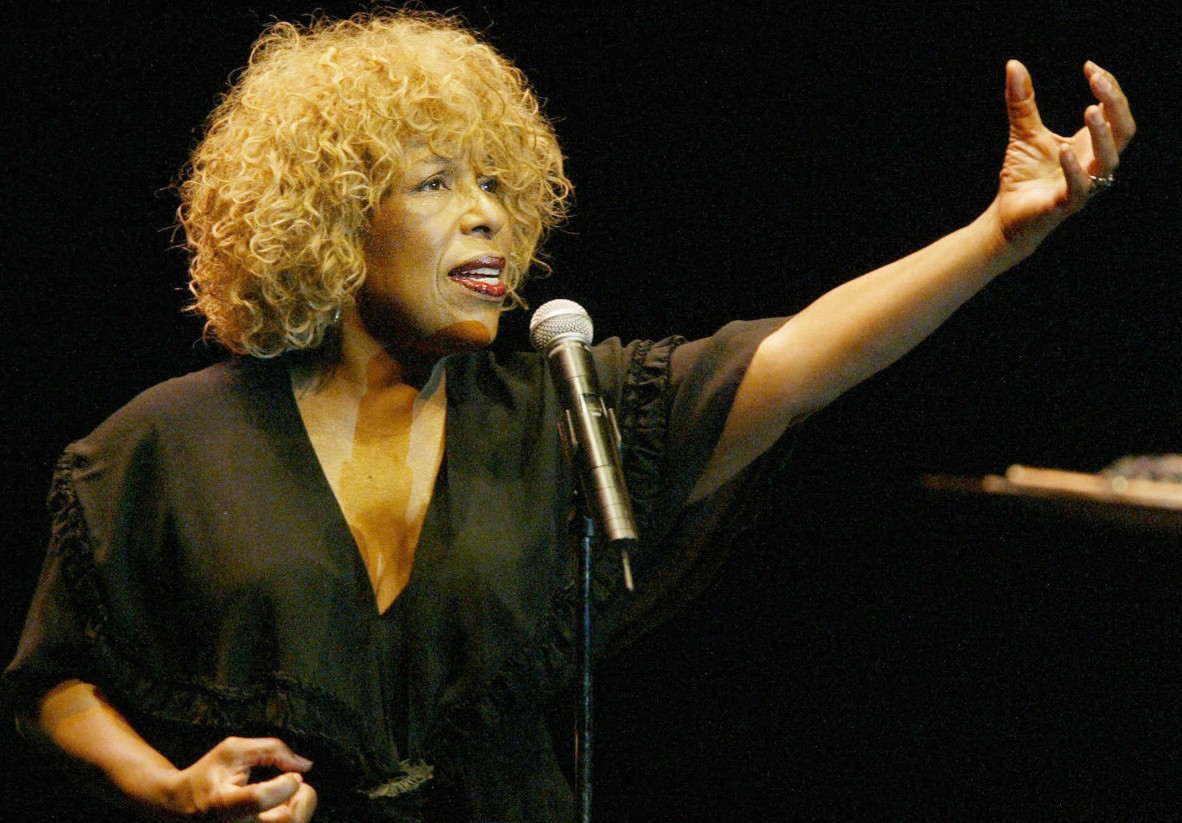
This was written while watching the American Masters episode on Roberta Flack. Any unlinked quotes in this blog entry were heard in that broadcast.
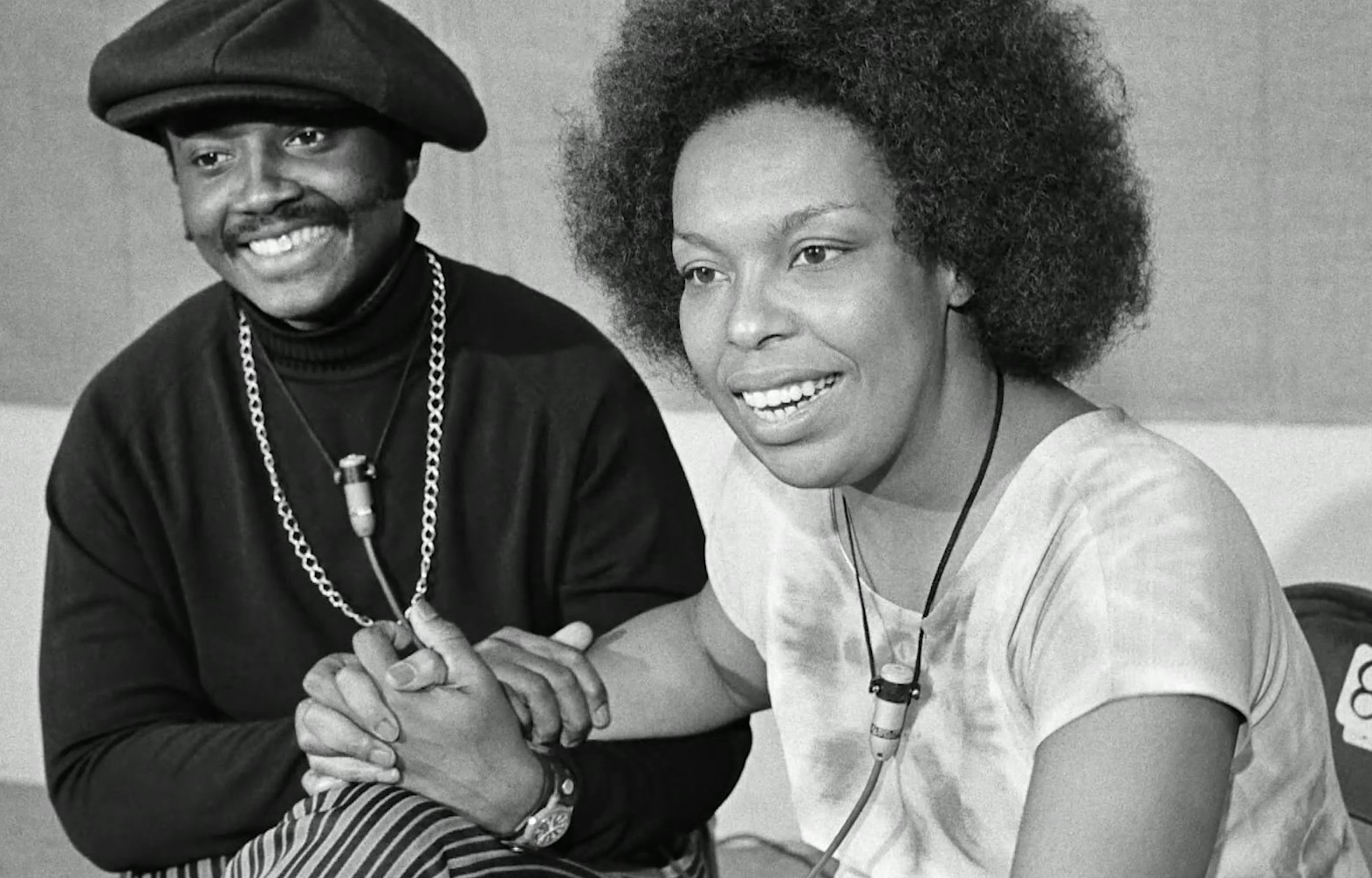
“Love is a song,” She said at the end of her PBS documentary. “An honest giving of feelings and emotions. If you can connect with that thought, then whatever the song is its a success.”
 The Dirty Rat
Thank you, James! Gorgeous reconsideration.